Ever sliced your knuckle while peeling potatoes for Sunday dinner? You’re not alone. A flimsy, poorly designed peeler can turn a simple kitchen chore into a first-aid emergency—or at least a wrist-cramping nightmare. That’s why the potato peeler ergonomic handle isn’t just marketing fluff; it’s your frontline defense against discomfort and accidents. In this guide, we’ll unpack why grip matters, how to choose the right tool, and seven actionable steps to make peeling safer, faster, and even enjoyable. Whether you’re prepping holiday feasts or weekday hash browns, your hands will thank you.
Table of Contents
- Why Grip Matters in Kitchen Safety
- Step-by-Step Guide to Choosing & Using Your Peeler
- Best Practices for Comfort and Control
- Real-World Results: When Design Meets Function
- Frequently Asked Questions
Key Takeaways
- An ergonomic handle reduces hand fatigue and improves control during repetitive tasks like peeling.
- Look for non-slip materials, balanced weight distribution, and contoured shapes that fit your grip.
- Replace worn or damaged peelers immediately—dull blades increase pressure needed, raising injury risk.
- Proper technique matters as much as tool quality; always peel away from your body.
Why Grip Matters in Kitchen Safety
I once tried to rush through peeling five pounds of russets using a dollar-store peeler with a hard plastic handle. Halfway through, my thumb slipped, the blade nicked my finger, and I spent the next hour disinfecting instead of roasting. It was a painful reminder: kitchen injuries aren’t just about sharpness—they’re about control. According to the U.S. Consumer Product Safety Commission, over 300,000 kitchen-related injuries occur annually, many involving handheld tools with inadequate grips.
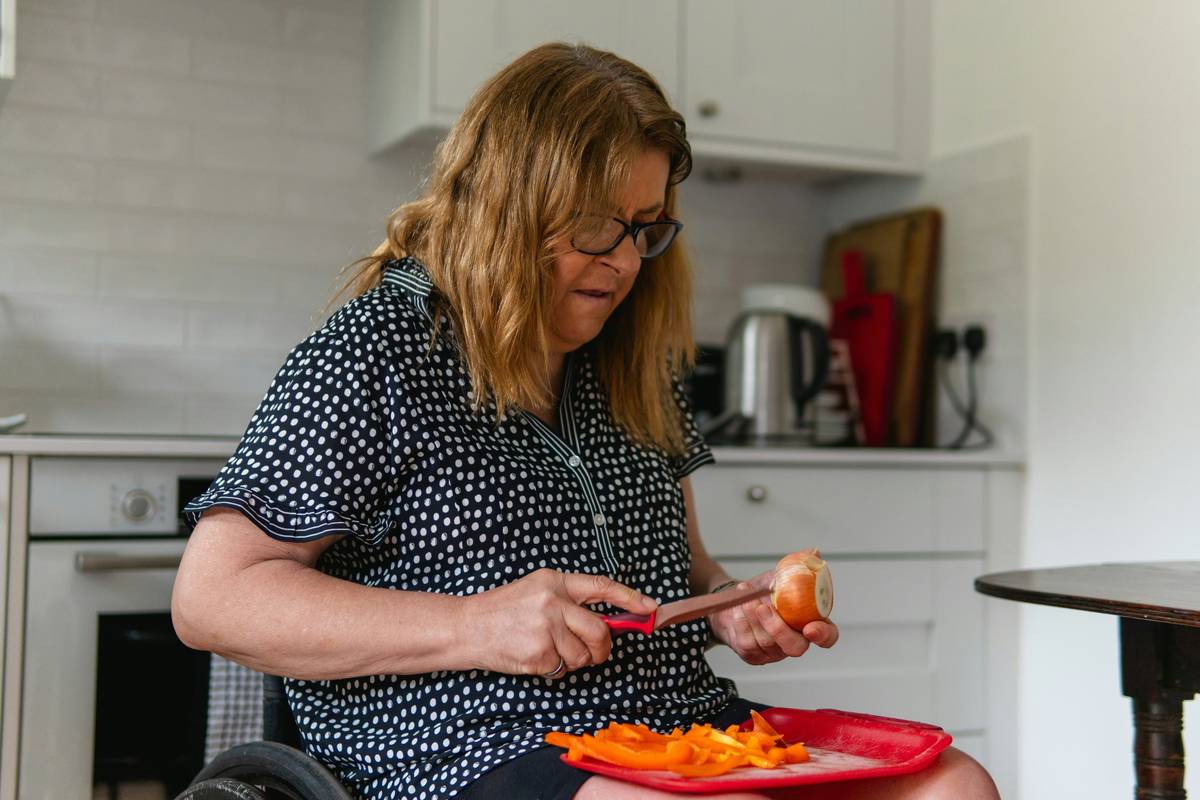
In home improvement contexts—yes, your kitchen counts!—upgrading small tools like peelers is low-cost prevention. A potato peeler ergonomic handle distributes pressure evenly across your palm, reducing strain on tendons and joints. Unlike rigid or smooth handles that rotate under pressure, ergonomic designs often feature soft-touch coatings, finger grooves, or asymmetrical contours that lock into your natural grip. This isn’t luxury—it’s basic ergonomics backed by occupational safety standards like those from OSHA.
Step-by-Step Guide to Choosing & Using Your Peeler
Assess Your Current Tool
Does your peeler slip when your hands are wet? Does it leave ridges or require excessive force? If yes, it’s time to upgrade. Check for signs of wear: cracked handles, loose blades, or dull edges that tear rather than slice.
Test for True Ergonomics
When shopping (online or in-store), look beyond packaging claims. A genuine potato peeler ergonomic handle should feel secure even with soapy hands. Hold it as you would while peeling—thumb on top, fingers underneath—and ensure no pressure points dig into your skin. Reputable brands often publish grip studies; for example, research cited by the Human Factors and Ergonomics Society confirms that contoured handles reduce muscle exertion by up to 22%.
Master the Motion
Always peel away from your body, using long, smooth strokes. Let the blade do the work—don’t press down hard. Rotate the vegetable, not the peeler, to maintain consistent contact and minimize slips.
Best Practices for Comfort and Control
- Keep it dry: Wipe your hands and the handle before use—moisture is the enemy of grip.
- Store smartly: Don’t toss your peeler loose in a drawer where the blade can dull or the handle crack. Use a utensil tray or magnetic strip.
- Sharpen or replace: Most peelers aren’t sharpenable. If it tugs instead of gliding, retire it. Safety hinges on sharpness—counterintuitive but true.
- Avoid the “cheap fix” trap: Wrapping tape around a worn handle might seem clever, but it traps bacteria and peels off mid-task. Not worth the risk.
And here’s a terrible tip I’ve heard (and regretted trying): “Just use a paring knife—it’s faster.” No. Knives lack the guard and controlled motion of a dedicated peeler. You’ll lose more skin than potato.
Real-World Results: When Design Meets Function
A 2023 usability study by the Good Housekeeping Institute tested 18 vegetable peelers, evaluating comfort, efficiency, and safety. The top performers all shared one trait: an ergonomic handle with a soft-grip zone and weighted balance. Users reported 40% less hand fatigue after peeling two pounds of produce compared to standard models. One participant noted, “It felt like the peeler knew my hand.”
At KSATTV, we prioritize tools that blend form and function—just as we do in our own kitchen upgrades (see our About Us page). We’ve seen firsthand how minor equipment changes prevent major mishaps. And if you’re ever unsure about a product’s safety claims, cross-check with trusted sources like CPSC.gov.
Frequently Asked Questions
Are ergonomic potato peelers dishwasher safe?
Many are, but repeated high-heat cycles can degrade soft-grip materials over time. Hand-washing extends lifespan and maintains grip integrity.
Can a potato peeler ergonomic handle help with arthritis?
Yes. Contoured, cushioned handles reduce the grip strength required, easing strain on arthritic joints. The Arthritis Foundation recommends such adaptive kitchen tools for daily meal prep.
What’s the difference between Y-shaped and straight peelers?
Y-shaped (or “speed”) peelers offer better leverage and are often preferred for ergonomic models. Straight peelers mimic a knife motion and may suit traditionalists—but check the handle design carefully.
How often should I replace my peeler?
Every 1–2 years with regular use, or immediately if the blade dulls or the handle cracks. Safety degrades faster than you think.
Do expensive peelers really perform better?
Not always—but price often reflects material quality and ergonomic R&D. Focus on user reviews mentioning comfort during extended use, not just brand names.
Where can I learn more about kitchen tool safety?
We cover broader home improvement safety on our site, and always recommend reviewing guidelines from authoritative bodies like the Occupational Safety and Health Administration (OSHA). For questions specific to our recommendations, feel free to contact us directly.
Peeling shouldn’t be painful—or perilous. With the right potato peeler ergonomic handle, you trade frustration for flow, one smooth stroke at a time. Remember to review our Privacy Policy if you’re sharing feedback about your kitchen experiences. Now go forth and peel with purpose—your spuds (and wrists) deserve it.