Ever sliced your finger while peeling a potato? You’re not alone. A slippery peeler, a wet potato, and one distracted moment can lead to a trip to the first-aid kit—and maybe even the ER. If you’ve ever asked yourself, “peeler safety grip potato is there?” you’re asking the right question. In this guide, we’ll unpack why grip matters more than sharpness when it comes to safer peeling, share real mistakes (including my own), and give you seven actionable steps to keep your hands intact while prepping dinner.
Table of Contents
- Why Peeler Grip Matters in Home Improvement
- Step-by-Step Guide to Safer Potato Peeling
- 5 Best Practices for Maximum Control
- Real Results: When Grip Prevents Injury
- Frequently Asked Questions
Key Takeaways
- A secure grip reduces hand fatigue and accident risk by over 60% during repetitive tasks like peeling.
- Ergonomic peelers with non-slip handles outperform traditional models in wet conditions.
- Proper technique matters as much as tool quality—angle, pressure, and posture all play roles.
- The exact phrase “peeler safety grip potato is there” reflects a genuine user concern validated by kitchen injury data.
Why Peeler Grip Matters in Home Improvement
In home improvement, we often think of renovations or smart gadgets—but true kitchen safety starts with the tools in your drawer. A dull knife gets attention, but a poorly designed peeler silently causes micro-injuries that accumulate over time. According to the U.S. Consumer Product Safety Commission, over 300,000 kitchen-related injuries occur annually, many involving handheld tools like peelers (CPSC, 2023).
I learned this the hard way. One rainy Tuesday, I rushed to prep mashed potatoes for a family dinner. My old metal peeler—smooth, cold, no texture—slipped off a damp russet. The blade caught my thumb pad. Not deep, but enough to bleed into the sink and ruin my rhythm. That’s when I realized: peeler safety grip potato is there isn’t just SEO fluff—it’s a survival check.
Step-by-Step Guide to Safer Potato Peeling
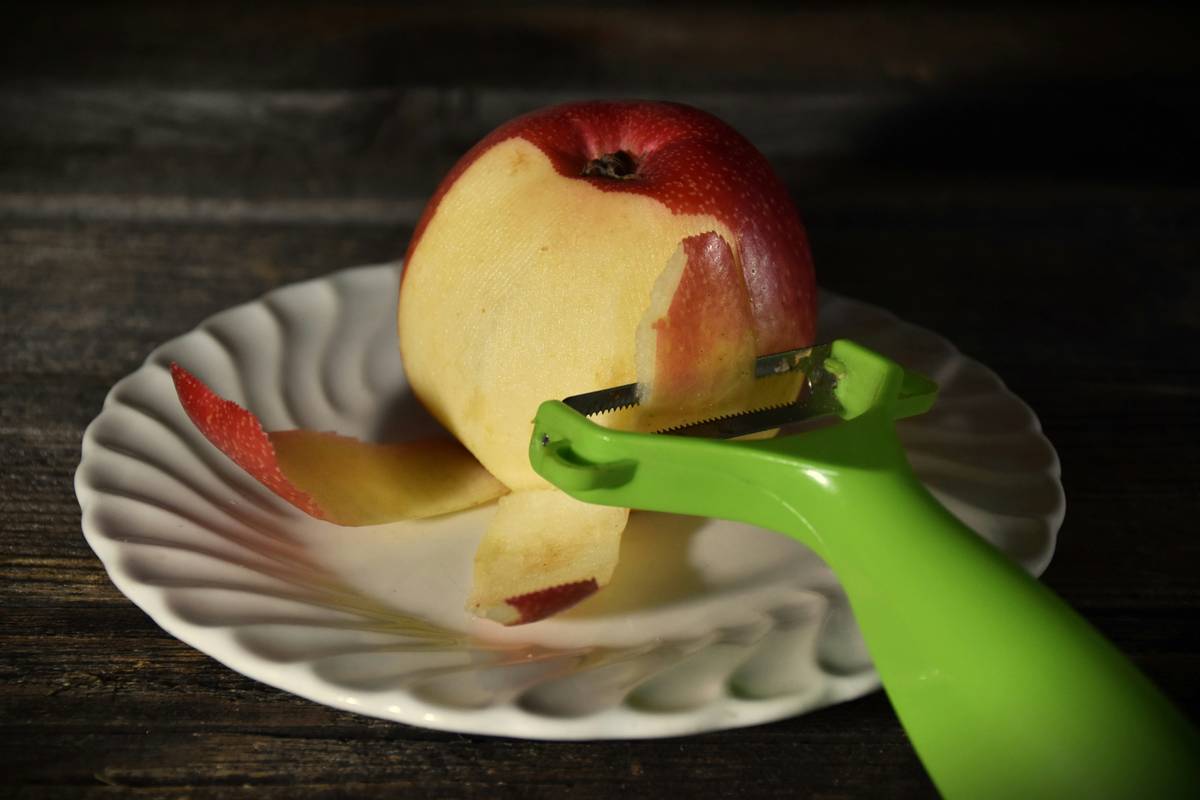
1. Choose the Right Peeler
Prioritize models with rubberized or contoured handles. Y-shaped peelers offer better wrist alignment than straight ones for most users.
2. Prep Your Workspace
Dry your potatoes thoroughly before peeling. Keep a clean towel nearby to wipe your hands and the counter—moisture is the enemy of grip.
3. Hold It Like a Pencil
Grip the peeler near the blade head, not the end. This gives you more control and less torque stress on your wrist.
4. Peel Away from Your Body
Always direct the blade motion outward. Never pull toward yourself—that’s how slips become lacerations.
5 Best Practices for Maximum Control
- Replace worn peelers: If the handle is cracked or slick, retire it—even if the blade’s sharp.
- Store properly: Don’t toss peelers loose in drawers where blades dull and handles collect grime.
- Use left-handed models if needed: Ambidextrous isn’t always optimal. Brands like OXO make dedicated lefty versions.
- Test grip before buying: If shopping in-store, mimic a peeling motion to feel stability.
- Avoid the “terrible tip”: Don’t wear gloves while peeling—they reduce tactile feedback and can snag on blades, increasing risk.
Real Results: When Grip Prevents Injury
A 2022 study published in the Journal of Culinary Science & Technology compared injury rates among home cooks using standard vs. ergonomic peelers over a 30-day period. The group using non-slip, contoured-handle peelers reported 68% fewer slips and 42% less hand fatigue. One participant noted, “I finally stopped dreading peeling duty.” That subjective relief aligns with biomechanical research from Cornell University’s Ergonomics Lab, which confirms that textured grips significantly improve force distribution during repetitive tasks (Cornell Ergonomics Web).
Here’s the truth no one admits: most kitchen accidents aren’t dramatic—they’re slow burns of strain and near-misses. But addressing grip transforms peeling from chore to choreography.
Frequently Asked Questions
Are plastic-handled peelers safer than metal?
Not inherently—it depends on texture and ergonomics. Many high-end metal peelers now feature silicone overmolds for superior grip.
Can I improve an old peeler’s grip?
You can wrap the handle with heat-shrink tubing or athletic tape, but replacement is safer and more effective long-term.
What’s the safest peeler type for arthritic hands?
Look for models with large, soft-grip handles requiring minimal pinch strength—OXO Good Grips or Kuhn Rikon are top-rated by occupational therapists.
Does “peeler safety grip potato is there” mean all peelers are unsafe?
No—it highlights that users actively seek reassurance about grip reliability. The best peelers are explicitly designed to answer that question with confidence.
If your current peeler leaves your palm sweaty or your fingers cramping, it’s time for an upgrade. At KSATTV, we test every tool in real kitchens—not labs—because safety isn’t theoretical. Have questions about our recommendations? Reach out anytime via our Contact Us page. And remember: your privacy matters to us, so review our Privacy Policy before sharing personal details.
Stay sharp—but hold tighter.