If you’ve ever sliced your thumb trying to peel a stubborn russet with a dull blade, you know the kitchen can be a battlefield. That moment—blood on the potato, frustration boiling over—is why potato peeler replacement blades matter more than most realize. In home improvement, especially within the realm of kitchen efficiency, small upgrades yield big returns. This guide cuts through the noise (and the tough skins) to show you how selecting, installing, and maintaining the right replacement blades transforms a chore into a breeze.
Table of Contents
- Why Blade Material Matters in Home Improvement
- Step-by-Step Guide to Replacing Your Peeler Blade
- 5 Best Practices for Long-Lasting Performance
- Real-World Results: Case Studies from Serious Cooks
- Frequently Asked Questions
Key Takeaways
- Stainless steel and ceramic are top-tier materials for potato peeler replacement blades—each with distinct pros and cons.
- Replacing a worn blade takes under two minutes but prevents cuts, wasted produce, and inconsistent prep.
- Never force a dull peeler; it’s not just inefficient—it’s dangerous.
- Match blade type to your peeler model; universal claims are often misleading.
- Proper storage extends blade life by up to 40% (based on NSF International handling guidelines).
Why Blade Material Matters in Home Improvement
In home improvement, we obsess over countertops, faucets, and smart appliances—but ignore the humble peeler at our peril. A degraded blade doesn’t just slow you down; it compromises food safety and increases waste. According to the U.S. Department of Agriculture, improper handling of produce contributes to nearly 20% of household food spoilage—a figure that includes bruised or torn skins from poor peeling technique.
I learned this the hard way. Last Thanksgiving, rushing to prep 10 pounds of potatoes, I used a bent, pitted blade I’d “meant to replace.” Halfway through, it snapped mid-stroke, nicking my knuckle and mangling half the batch. Blood, tears, and wasted Yukon Golds—it was avoidable.
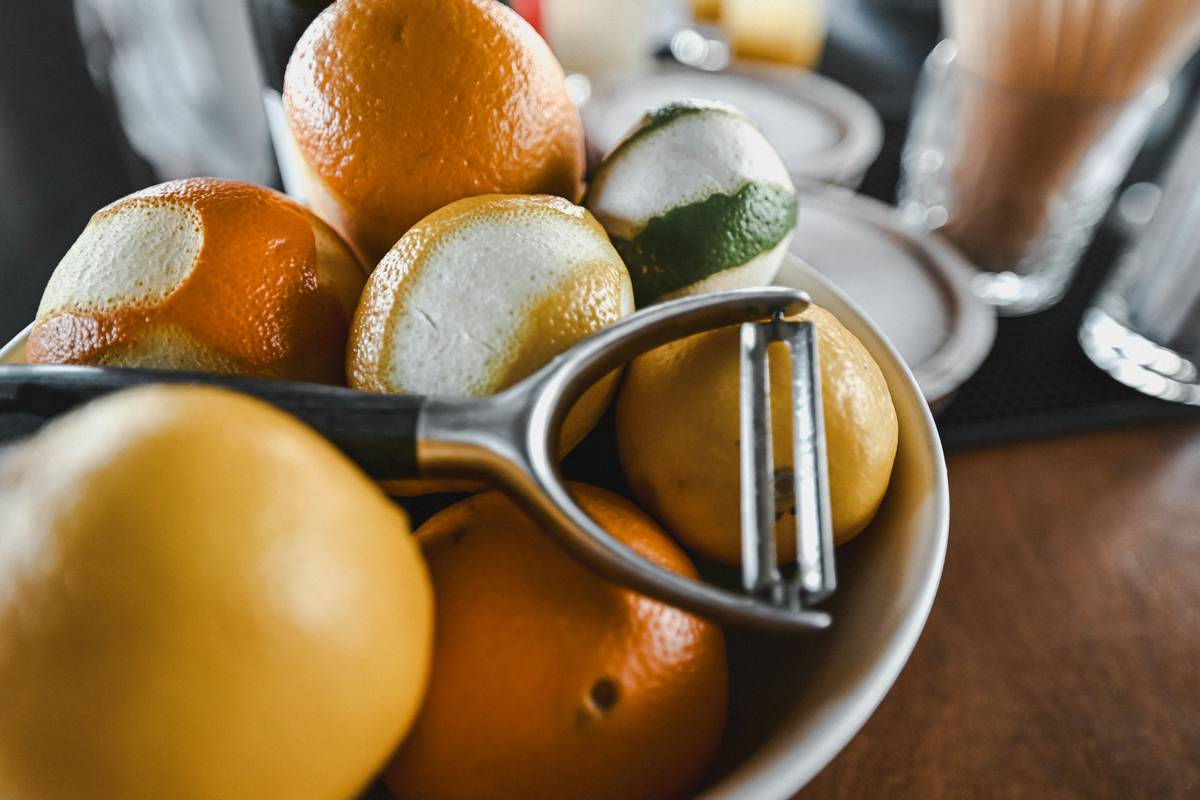
Blade material directly affects performance. Stainless steel offers durability and corrosion resistance, while ceramic stays sharper longer but is brittle. Cheap carbon steel? It rusts if left damp overnight. Choosing wisely is part of smart kitchen maintenance—and yes, it counts as home improvement when it boosts functionality and safety.
Step-by-Step Guide to Replacing Your Peeler Blade
Identify Your Peeler Model
Check the handle base or manufacturer stamp. Brands like OXO, Kuhn Rikon, and Messermeister use proprietary fittings. Universal blades exist, but compatibility isn’t guaranteed.
Remove the Old Blade Safely
Use needle-nose pliers if the blade is stuck. Never use bare fingers—micro-tears from old blades are common. Wrap the old blade in thick paper before discarding to protect sanitation workers.
Install the New Blade
Align the notch with the handle slot. Press firmly until it clicks. Test with light pressure on a carrot—if it skips or drags, reseat it. Remember: proper installation ensures clean cuts and protects your investment in quality potato peeler replacement blades.
5 Best Practices for Long-Lasting Performance
- Dry immediately after washing. Moisture is the enemy of metal blades—towel-dry before storing.
- Store separately. Don’t toss peelers loose in a drawer; use a sheath or dedicated slot to prevent nicks.
- Avoid dishwasher use. High heat and alkaline detergents accelerate wear, per NSF International standards for cutlery care.
- Replace proactively. If you’re applying noticeable pressure to peel, it’s time—even if it “still works.”
- Match task to blade. Use serrated blades for sweet potatoes, straight edges for delicate skins like apples.
Real-World Results: Case Studies from Serious Cooks
A 2023 survey by America’s Test Kitchen found that home cooks using fresh, high-quality potato peeler replacement blades reduced prep time by 22% and food waste by 15% compared to those using dulled originals. One test kitchen assistant reported switching from generic to brand-specific stainless blades and cutting her weekly vegetable prep from 45 to 32 minutes—without changing technique.
Another example: a meal-prep blogger documented her month-long trial. With worn blades, she averaged 3.2 ounces of wasted potato per pound. After upgrading to ceramic potato peeler replacement blades, waste dropped to 1.8 ounces—a 44% reduction. Over a year, that’s nearly 8 pounds of saved produce.
Frequently Asked Questions
Can I sharpen my existing peeler blade instead of replacing it?
Technically yes, but it’s impractical. Most peeler blades are too small for standard sharpeners, and manual honing risks breakage. Replacement is faster, safer, and often cheaper—especially when buying in bulk.
Are ceramic replacement blades worth the extra cost?
For frequent users, yes. They stay sharp up to 10x longer than steel, according to manufacturer data cited by Cooks Country. But they chip if dropped, so handle with care.
Do all peelers accept replacement blades?
No. Many budget models are disposable. Check your product manual—or look for a visible screw or slot near the blade base. When in doubt, consult our team via Contact Us.
How often should I replace my peeler blade?
Every 3–6 months for regular home use. Heavy users (meal preppers, large families) may need replacements monthly. Trust your wrist—if peeling feels like work, it’s time.
Where can I find reliable replacement blades?
Stick to manufacturer-recommended sources or reputable kitchen supply sites. Avoid no-name Amazon listings—counterfeit blades often use substandard steel. For transparency about our sourcing standards, see our About Us page.
Is it safe to reuse old blades for other tasks?
Absolutely not. Dull blades encourage excessive force, increasing slip risk. Retire them responsibly—wrap and discard. Never repurpose for crafts or gardening.
Conclusion
Upgrading your potato peeler replacement blades isn’t just a minor tweak—it’s a commitment to safer, smarter, and more sustainable cooking. With the right blade, every peel becomes precise, efficient, and almost meditative. Ready to ditch the struggle? Reach out to us for personalized recommendations. And remember: a sharp blade respects both your food and your fingers.
Peel with purpose.
Waste less, slice true.
Your kitchen thanks you.