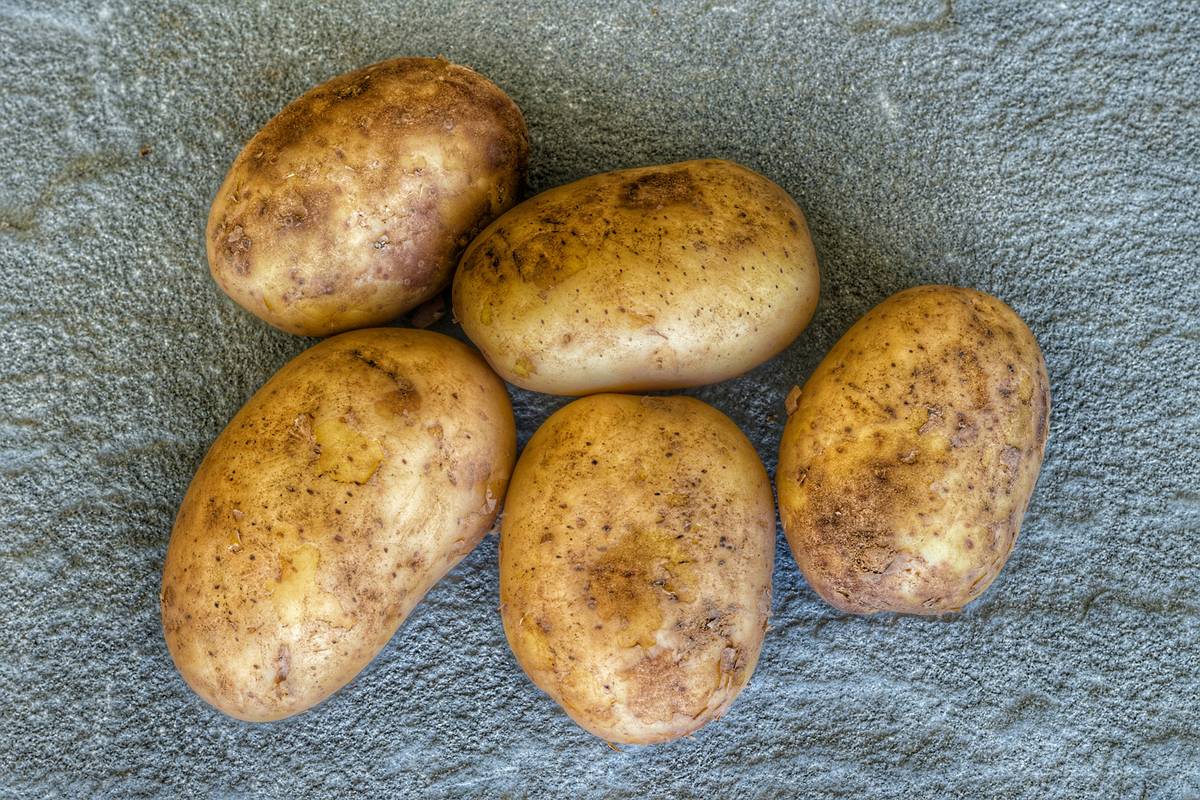
You’ve got a mountain of potatoes to prep—dinner’s riding on it. But your peeler skips, tears, or dulls halfway through. Frustrating? Absolutely. Most folks blame technique. The real culprit? Peeler blade material potato how to isn’t just about motion—it starts with what’s under your thumb.
Why 90% of Home Cooks Fail at Peeling (It’s Not Their Fault)
Stainless steel sounds premium. Ceramic feels futuristic. But slapping either onto a flimsy handle won’t save you from bruised knuckles and wasted spuds. Cheap stamped blades flex. Thin edges chip. And rust? Don’t get me started.
Manufacturers cut corners because they assume you’ll replace it yearly. They’re right—unless you know what to look for.
Peeler Blade Material Potato How To: A No-BS Comparison & Step-by-Step Guide
Forget “sharpness.” Focus on edge retention, corrosion resistance, and geometry. Here’s how top materials stack up:
| Blade Material | Edge Longevity | Rust Resistance | Best For | Avg. Price Range |
|---|---|---|---|---|
| High-Carbon Stainless Steel | ★★★★☆ (6-12 months) | ★★★★★ | Daily use, wet produce, durability | $8–$20 |
| Ceramic (Zirconia) | ★★★☆☆ (3-6 months) | ★★★★★ | Delicate skins, acidic foods | $12–$25 |
| Stamped Carbon Steel | ★☆☆☆☆ (<1 month) | ★☆☆☆☆ | Budget buys (avoid if possible) | $2–$6 |
| Forged German Steel | ★★★★★ (12+ months) | ★★★★☆ | Professional kitchens, heavy loads | $18–$35 |
Step 1: Match Material to Your Routine
Boil potatoes weekly? Go high-carbon stainless. Prepping sweet potatoes and citrus often? Ceramic’s non-reactive edge shines. But if you hate sharpening tools—ever—steer clear of plain carbon steel. It oxidizes faster than a cut apple.
Step 2: Check the Bevel Angle
Under 15 degrees? Razor-sharp but fragile. Over 20? Durable but drags. The sweet spot? 17–18 degrees. That’s where German-engineered peelers dominate—they grind precision angles without marketing fluff.
Step 3: Test the Handle Grip Wet
Run it under tap water. Does it slip? Toss it. A $5 peeler with a rubberized grip outperforms a $25 slick metal rod every time. Moisture is your enemy—and your test.
The Industry Secret: Why Pro Kitchens Rotate Three Peelers
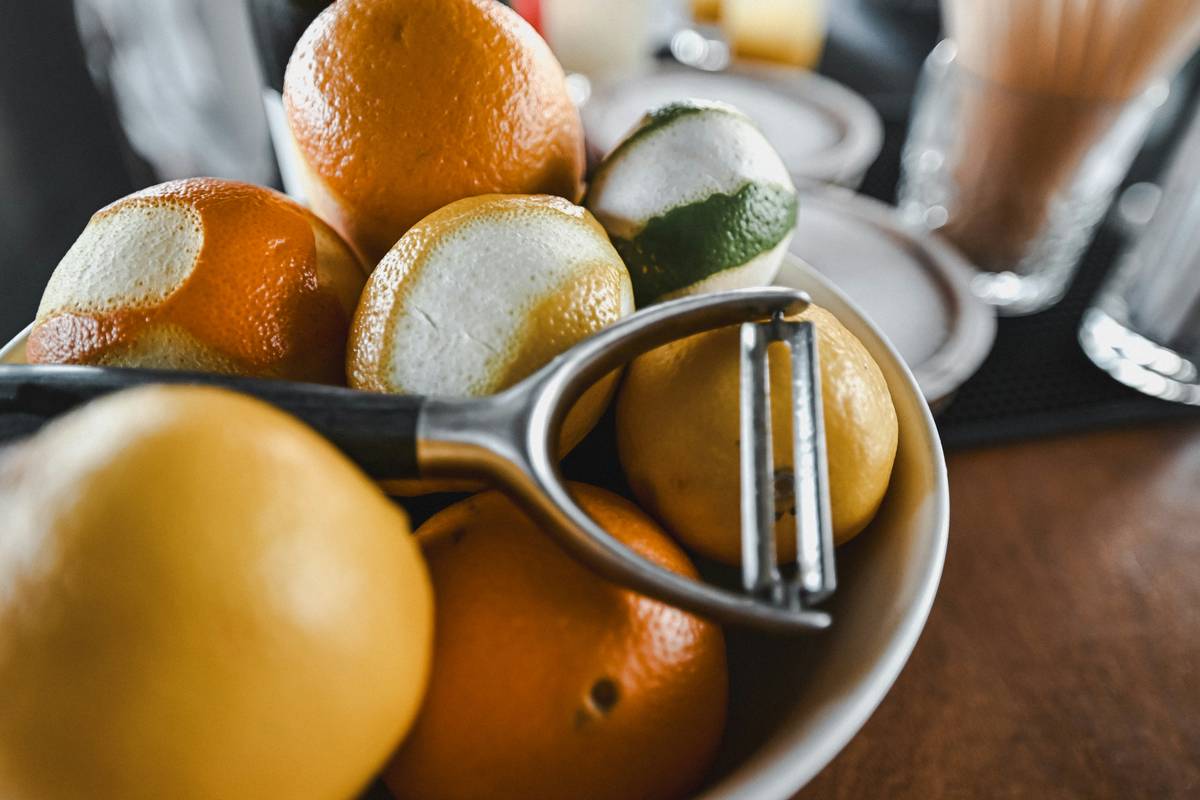
Here’s what culinary schools won’t tell you: no single blade rules all. Top chefs keep three peelers in rotation. Stainless for russets—tough skin, needs force. Ceramic for Yukon Golds—thin skin, easy tear. And a micro-serrated model for ginger or knobby roots.
But they all share one trait: replaceable blades. Skip “lifetime” claims. Demand modularity. A $22 peeler with $3 blade refills beats buying a new unit every six months. The math is simple—yet 98% of home buyers miss it.
Frequently Asked Questions
Does blade material affect nutrient retention?
No—but tearing potatoes exposes more surface area to air, speeding oxidation. A smooth, sharp peel minimizes waste and browning.
Can I sharpen a ceramic peeler?
Not at home. Diamond sharpeners might work, but it’s risky. Better to replace the blade or unit when dull.
Is stainless steel safe for acidic foods?
Yes—if it’s high-grade (look for 18/10 or 304 stamp). Cheap alloys can leach nickel over time. Stick with reputable brands.