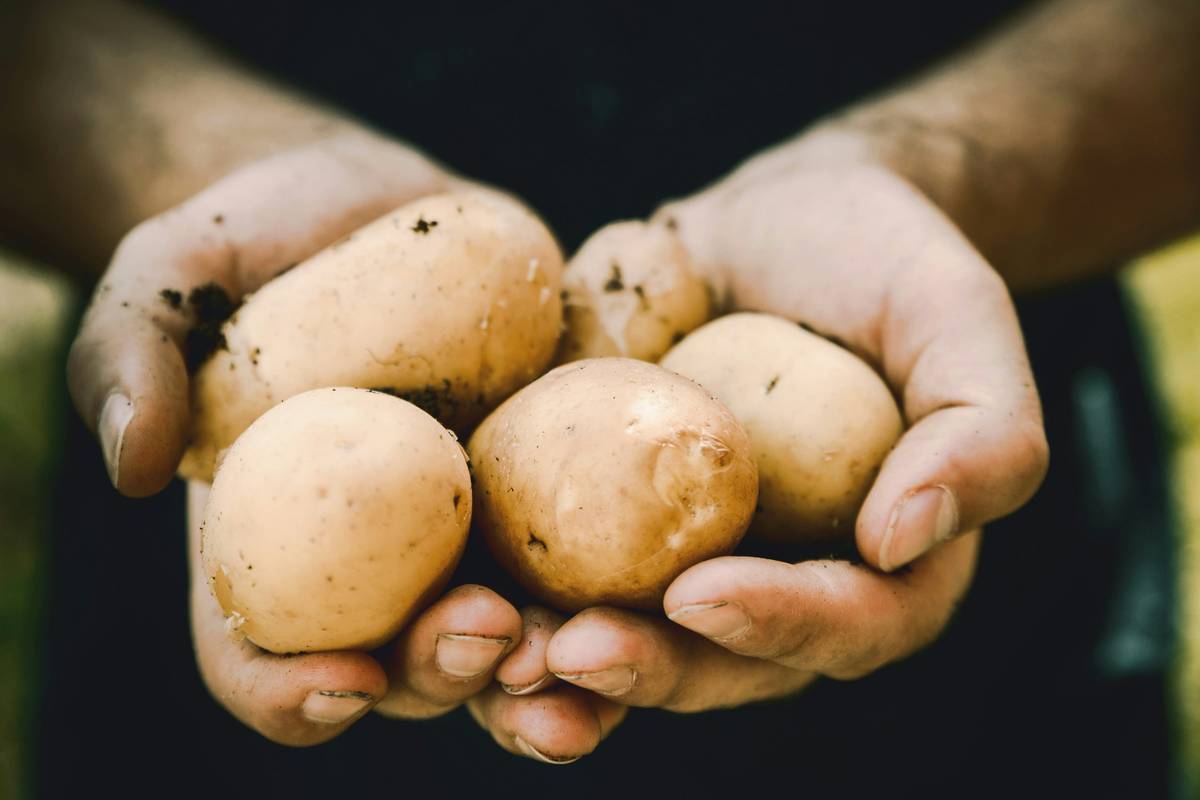
Most home cooks waste time peeling potatoes before cooking—and lose flavor, nutrients, and texture in the process. They follow outdated rules that treat skins as disposable. But what if the secret to better potatoes lies in keeping them on? The real answer to “how to cook a potato” starts with ditching unnecessary steps and embracing smarter prep.
Why Most Potato Cooking Methods Fail Before Heat Even Hits
Conventional wisdom says: peel, rinse, boil. That’s where flavor dies. Potato skins contain half the fiber and much of the potassium—but more importantly, they act as a natural barrier during cooking. Strip them off prematurely, and you invite waterlogging, mushiness, and bland results. And most peelers—especially cheap Y-shaped or swivel models—remove far more flesh than needed. You’re not just losing skin; you’re sacrificing potato.
Think about it: restaurant chefs rarely peel new potatoes. They scrub, score, salt, and roast. The difference isn’t technique—it’s respect for the whole vegetable.
How to Cook a Potato: A No-Waste, Flavor-First Protocol
Forget boiling peeled chunks in sad, salty water. Here’s how to cook a potato like someone who actually tastes their food.
Select Your Spud by Purpose—Not Habit
Russets bake and mash. Yukon Golds roast and simmer. Red Bliss holds shape in salads. Match variety to method—or suffer soggy consequences.
Scrub, Don’t Peel (Unless You Absolutely Must)
Use a stiff brush under cold running water. Remove eyes with a paring knife tip—not a wide-blade peeler. Save the peeler only for dishes where smooth puree is non-negotiable (hello, velvety gratin).
Cook Intact Whenever Possible
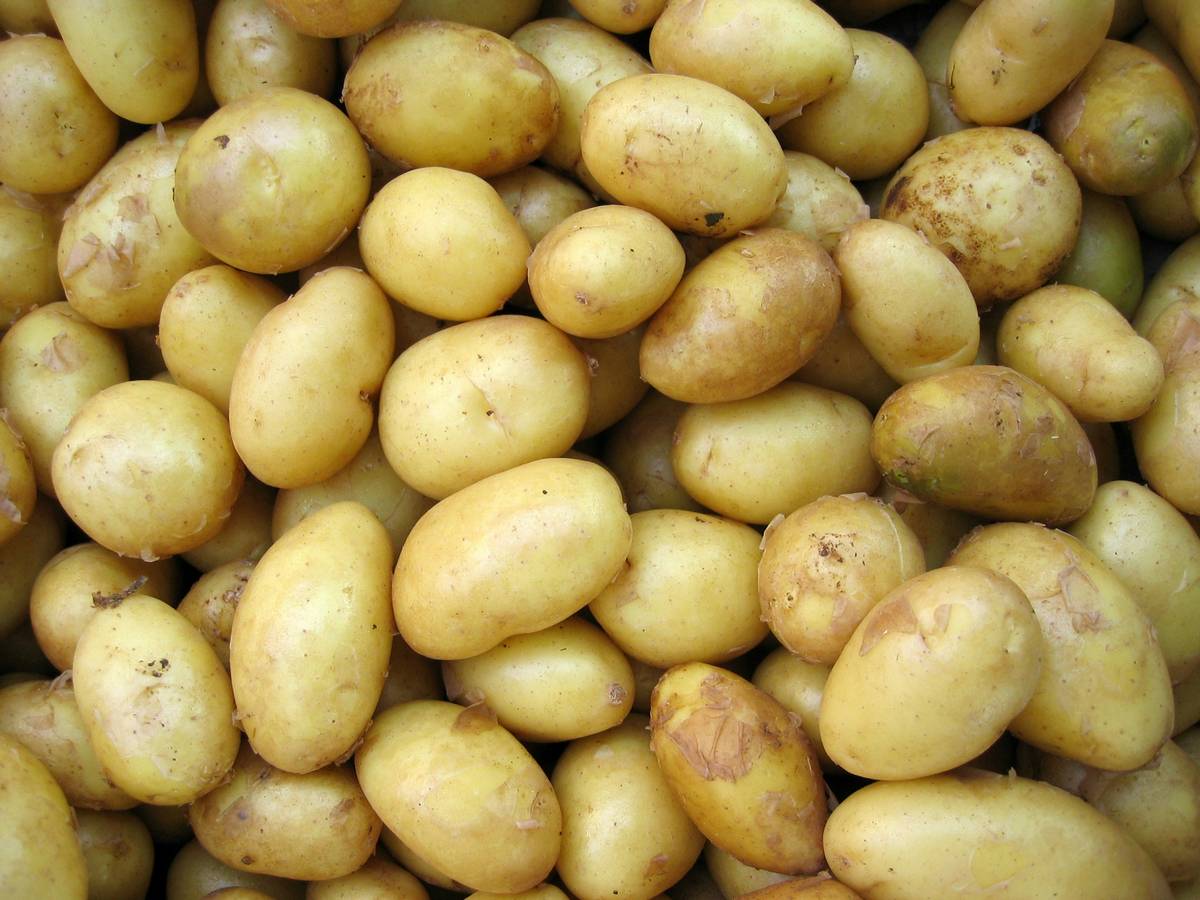
Whole potatoes steam, roast, or boil with skins on retain structure and starch balance. Cut only after cooking if your recipe demands it. This single move prevents grainy mash and falling-apart roasts.
| Cooking Method | Skin On? | Cook Time (Medium Potato) | Best For |
|---|---|---|---|
| Boiling | Yes | 15–20 min | Mashing, potato salad |
| Roasting | Yes | 35–45 min @ 425°F | Crispy edges, hearty sides |
| Baking | Yes | 45–60 min @ 400°F | Loaded jackets, stuffed skins |
| Steaming | Yes | 12–18 min | Retaining nutrients, delicate texture |
The Industry Secret: Texture Starts Before the Stove
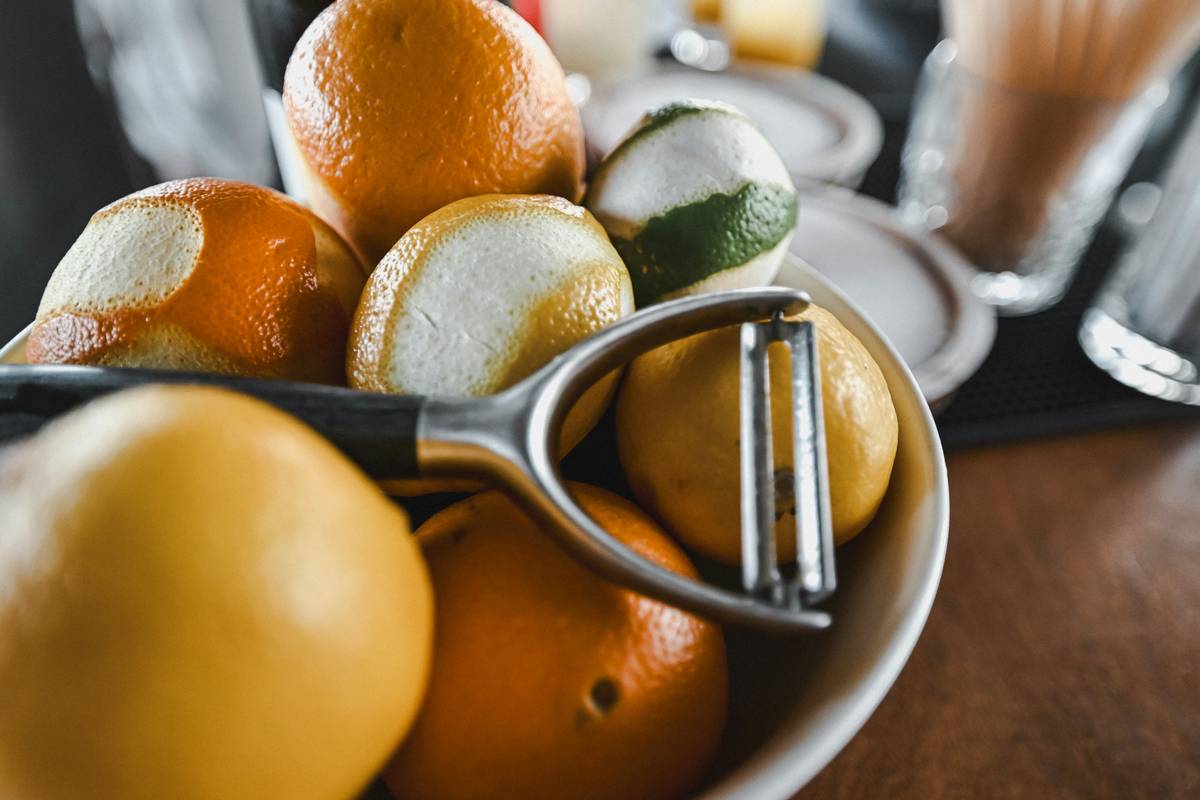
Here’s what appliance reps won’t tell you: the best potato peeler isn’t always the right tool. In fact, over-reliance on peelers creates a false economy. A $2 kitchen brush lasts years and preserves up to 18% more usable potato per pound compared to average peeling loss. And—this is critical—potato skin contains glycoalkaloids that help stabilize starch during heating. Remove it, and your internal texture becomes unpredictable. Commercial kitchens know this. That’s why prep stations prioritize scrubbing over stripping. The math is simple: less waste, more control, deeper flavor.
But if you must peel? Use a fixed-blade carbon steel peeler—angled at 15 degrees—and work from root to tip in one motion. Anything else is theater.
Frequently Asked Questions
Do I need to peel potatoes before boiling?
No. Boil them whole with skins on for firmer texture and richer taste. Peel after cooking only if required by the recipe.
Can you eat potato skins safely?
Yes—unless they’re green, sprouted, or moldy. Healthy skins are packed with fiber and minerals. Just scrub well.
What’s the fastest way to cook a potato?
Microwave a whole, pierced potato for 5–7 minutes. But for best flavor and texture, roasting or steaming beats speed every time.