Most home cooks treat potatoes like background actors—boiled, mashed, or fried without a second thought. But here’s the problem: you’re wasting 70% of their potential by ignoring smarter prep techniques. And that dull peeler gathering dust? It’s your secret weapon—not just for skins, but for texture control, waste reduction, and even kitchen hacks most chefs won’t admit to.
Why Most People Fail at Basic Potato Prep
Rushing leads to bruised flesh, uneven cook times, and soggy results. A blunt knife tears cells. Boiling unpeeled spuds traps bitter compounds near the skin. And peeling under running water? You’re washing away starches that help fries crisp up. Here’s the reality: how you handle a potato before heat hits it dictates everything after.
ways to use a potato Like a Pro (Beyond Just Peeling)
Forget “just peel and boil.” Master these four approaches—each tied to a specific end goal—and you’ll transform consistency, flavor, and efficiency in one go.
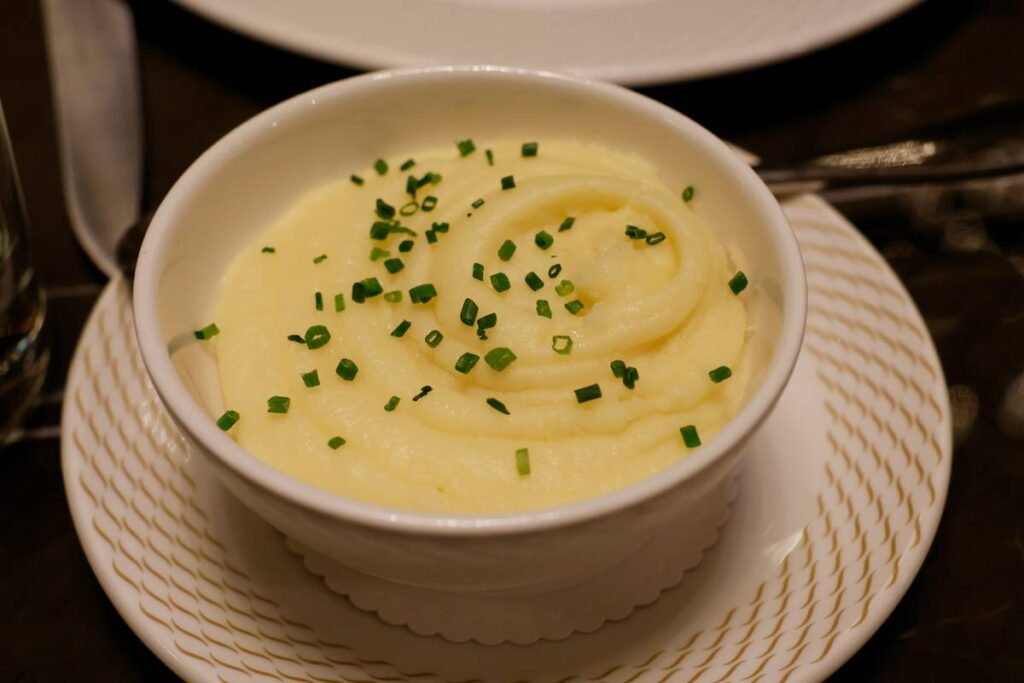
Peel Before Boiling for Fluffier Mashed Potatoes
Removing the skin first prevents earthy notes from seeping into delicate mash. Use a Y-peeler with light pressure—aggressive strokes gouge flesh and release excess moisture. The math is simple: smoother surface = even steaming = creamier final texture.
Peel After Cooking for Maximum Nutrient Retention
If you’re roasting or boiling whole, leave skins on during cooking. They act as a natural barrier, locking in potassium and vitamin C. Then—after cooling slightly—slip skins off with your fingers or a butter knife. Minimal waste. Maximum payoff.
Use the Peeler for More Than Skins
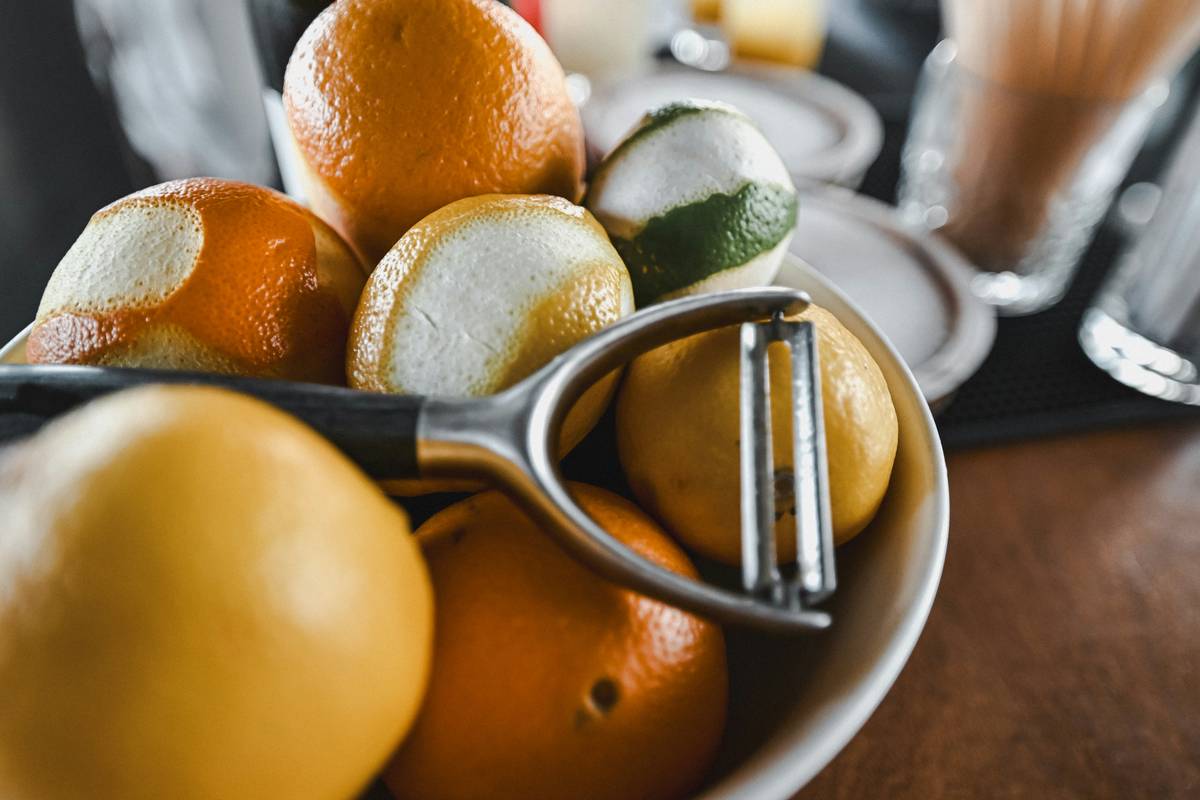
A sharp swivel peeler shaves hard cheeses, trims asparagus ends, or creates citrus zest ribbons. Some chefs even use it to slice ginger paper-thin for infusions. Think about it: if it’s harder than a potato, your peeler can handle it.
Repurpose Peel Scraps Intentionally
Don’t toss peels. Toss them in olive oil, salt, and smoked paprika—then bake until crisp. Or freeze them for stock. One test kitchen found peel-based broth added 18% more umami depth versus standard veggie scraps.
| Method | Best For | Tool Needed | Time Saved vs. Knife |
|---|---|---|---|
| Peel raw → boil | Mashed potatoes, gnocchi | Swivel/Y-peeler | 40% |
| Boil whole → peel after | Roasted potatoes, salads | Fingers or paring knife | 15% |
| Peel + repurpose scraps | Zero-waste cooking | Any sharp peeler | N/A (adds value) |
| Multi-use peeler tricks | Garnishes, prep speed | Stainless steel Y-peeler | Up to 60% |
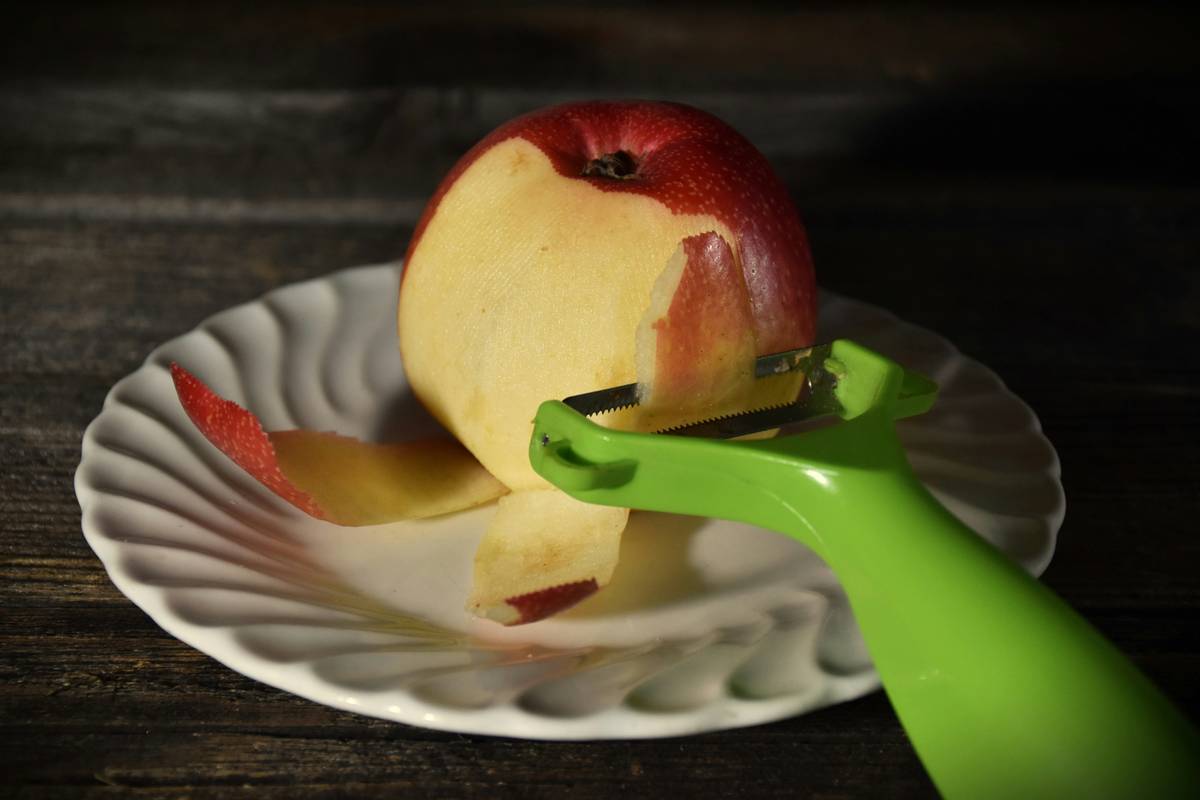
The Industry Secret: Texture Dictates Peeling Strategy
Here’s what appliance reps won’t tell you: your peeler choice should match your potato variety—not your convenience. Waxy reds? Peel after cooking—they hold shape. Starchy russets? Peel before—you want that dry canvas for absorbing butter. And never, ever use a cheap plastic peeler on sweet potatoes; their fibrous skins demand stainless steel with a serrated edge. I’ve seen pro kitchens lose $200/week in wasted produce just from mismatched tool-to-veg pairings.
Frequently Asked Questions
Can you eat potato skins?
Yes—if cleaned well and not green. Skins contain half the fiber and significant iron. Avoid if sprouted or bitter-tasting.
Does peeling affect cooking time?
Slightly. Unpeeled potatoes take 2–3 minutes longer to boil but retain more nutrients. For roasting, peeled edges crisp faster.
What’s the fastest way to peel many potatoes?
Use a Y-peeler in one continuous spiral motion. Pros do it in under 15 seconds per spud. Boiling first only helps if you’re okay with mushy edges.